
Oquirrh Mountain Phlebotomy School LLC

Oregon

Phlebotomy Training

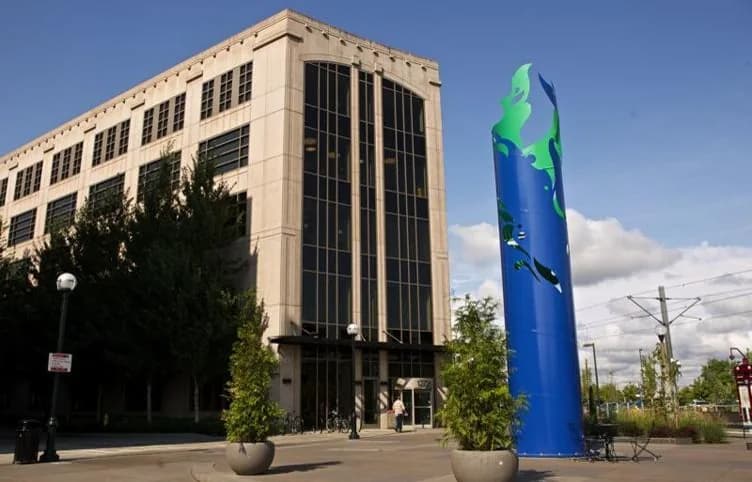
Beaverton OR training location

Beaverton OR

Map

Troy

In-Person Phlebotomy Instructor

12725 SW Millikan Way, Suite 300, Beaverton, OR

Oregon Phlebotomy School

Welcome to our phlebotomy certification training with locations across Oregon. With our 100% passing rate guarantee. We are so excited to teach you the correct way to draw blood as a phlebotomist. We use the best instructors and up to date syllabus in every location we teach. Get your phlebotomy license through our national phlebotomy certification accredited service so you can meet the employers requirement and start enjoying your job that gives you purpose and meaning in a career. We guarantee the phlebotomy training you will receive will help you feel more confident drawing blood.

What you will learn

Venipuncture Techniques

  • Venipuncture with vacutainers and butterfly needles. Common blood-collection devices, needle selection and technique fundamentals.
  • Order of draw. The standardized sequence that helps maintain specimen integrity.
  • Hard blood draws. Strategies for approaching more challenging venipuncture situations.
  • Special procedures. Less routine collection methods and the considerations they bring.
  • CLSI standards. Industry guidelines that shape specimen collection technique.

Medical Terminology

Foundational knowledge used in healthcare communication.

  • Basic anatomy and physiology. The circulatory system, the veins commonly used for venipuncture, and the terms that go with them.
  • Blood collection and laboratory terms. The vocabulary that lets you communicate clearly in a clinical setting.

Safety & Infection Control

Regulatory standards, safe practice and risk prevention.

  • OSHA. Safety standards, bloodborne pathogen awareness and workplace protection.
  • HIPAA. Patient confidentiality and handling patient information responsibly.
  • CLSI standards. Best-practice recommendations for safe, consistent specimen collection.
  • Patient reactions. Recognizing common physical responses and keeping the room safe.

Patient Care & Communication

Working with patients professionally and respectfully.

  • Patient rights. Ethical treatment, consent and patient autonomy.
  • Professionalism. Conduct, communication, hygiene and reliability in a clinical setting.
  • Anxious or nervous patients. Staying calm and responding appropriately when a patient becomes reactive.

Specimen Handling

Preserving specimen quality and meeting laboratory standards.

  • Order of draw. How proper sequencing supports accurate testing and prevents cross-contamination.
  • CLSI standards. Labeling, transport and processing practices.
  • Special procedures. Tests and specimen types that need additional steps.

Job Search Preparation

  • Your next step. The professional pathways in phlebotomy, how to present your training on a resume, and where phlebotomy skills are used. Career guidance is advisory; the program does not provide job placement.